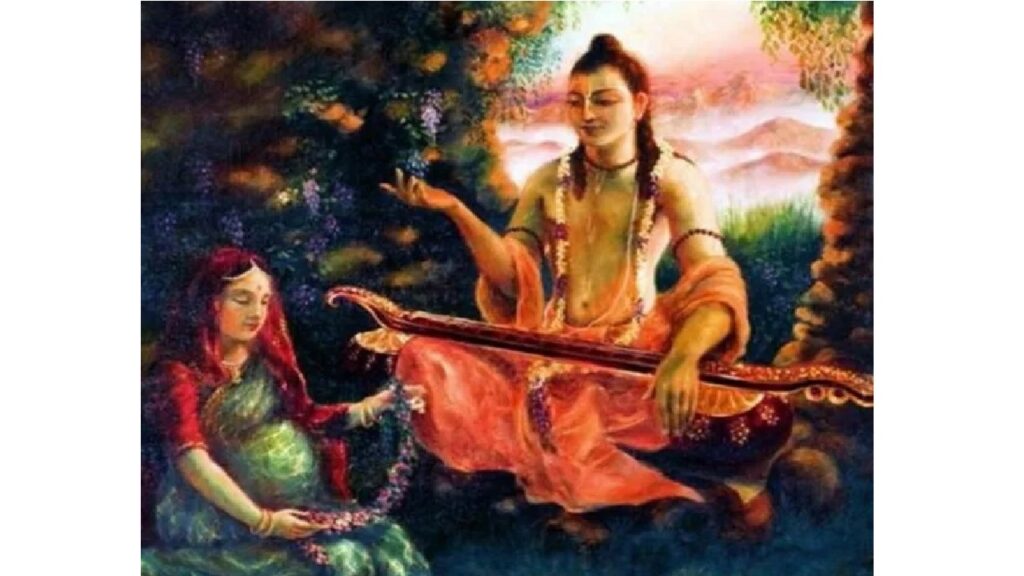
Garbhadaana Samskara: An Ancient Hindu Rite of Conception
Garbhadaana Samskara, often referred to as the ‘sacrament of conception,’ is an essential aspect of the 16 Samskaras (sacraments) in Hindu tradition. These Samskaras are rites of passage that signify various stages in an individual’s life, from conception to death, and aim to purify and sanctify these stages. Garbhadaana, specifically, marks the intention and preparation for conceiving a child, symbolizing the desire for a healthy, virtuous offspring.
Historical and Scriptural Background
The roots of Garbhadaana Samskara can be traced back to ancient Hindu scriptures such as the Vedas, Upanishads, and the Grihya Sutras. These texts provide detailed guidelines on how to perform the ritual and underscore its significance. The ritual is believed to invoke divine blessings for the couple, ensuring that the child conceived will be imbued with positive qualities and virtues.
The Ritual Process
Garbhadaana Samskara is traditionally performed shortly after marriage, although it can also be conducted later when the couple decides to conceive a child. The timing of the ritual is often chosen based on astrological considerations to ensure an auspicious beginning.
Preparation: The couple begins by purifying themselves through a bath and wearing clean, traditional attire. The house is cleaned, and a sacred space is prepared, often near a home altar or in a designated prayer room.
Invocation of Deities: The ritual typically starts with the invocation of Lord Ganesha to remove obstacles and Goddess Saraswati for wisdom. Prayers are also offered to other deities, such as Lord Vishnu and Goddess Lakshmi, for prosperity and well-being.
Homa (Fire Ritual): A homa or havan (sacred fire ceremony) is conducted, where offerings such as ghee, grains, and herbs are made into the fire. The fire is considered a messenger to the gods, carrying the couple’s prayers and desires to the divine realm.
Mantras and Prayers: Specific mantras are chanted during the ceremony. These mantras are believed to purify the mind and body of the couple, creating a conducive environment for conception. The chanting of the Garbhadaana mantra, in particular, is central to the ritual.
Sankalpa (Vow): The couple makes a sankalpa, a solemn vow or intention, expressing their desire to conceive a child. This vow is made in the presence of a priest and family members, who offer their blessings and support.
Significance and Modern Relevance
Garbhadaana Samskara holds profound significance in Hindu culture. It is seen as a means of ensuring the spiritual and physical well-being of the future generation. By performing this ritual, the couple seeks the blessings of the divine to conceive a child who will grow up to be righteous, intelligent, and healthy.
In modern times, while the core essence of Garbhadaana Samskara remains unchanged, its practice has evolved. Some couples may choose to perform the ritual in a simplified manner or incorporate contemporary elements, such as prenatal counseling and health check-ups, aligning the ancient practice with modern understanding of health and well-being.
Conclusion
Garbhadaana Samskara is a beautiful amalgamation of faith, tradition, and spirituality. It reflects the deep-rooted belief in the sanctity of life and the importance of beginning life’s journey with divine blessings. This ancient rite continues to be a cherished practice for many Hindu couples, symbolizing hope, devotion, and the timeless quest for a prosperous and virtuous lineage.